Microneedling with exosomes has quickly become one of the most talked-about advanced skin treatments worldwide – and for good reason. When performed correctly, it can soften lines, improve texture, fade pigmentation and even support hair growth.
But if you’re considering booking this treatment, it’s natural to ask:
“What are the side effects of microneedling with exosomes – and how safe is it really?”
In this article, we’ll walk you through what to expect, from common and mild side effects to rare but important risks, plus exactly how we minimise them here at Lovoir Day Spa Christchurch.
If you’re searching for microneedling Christchurch options and want to make an informed choice, this guide is for you.
✍🏼Important to note: This article is for general education only and is not a substitute for personalised medical advice. Always discuss your individual health situation with a qualified health professional.
Microneedling with Exosomes: A Quick Refresher
Microneedling (or collagen induction therapy) uses ultra-fine needles to create controlled micro-channels in the skin. This stimulates your body’s natural wound-healing response, boosting collagen and elastin and improving texture, firmness and overall skin quality. Large clinical reviews describe microneedling as a minimally invasive procedure with short-lived side effects for most people.
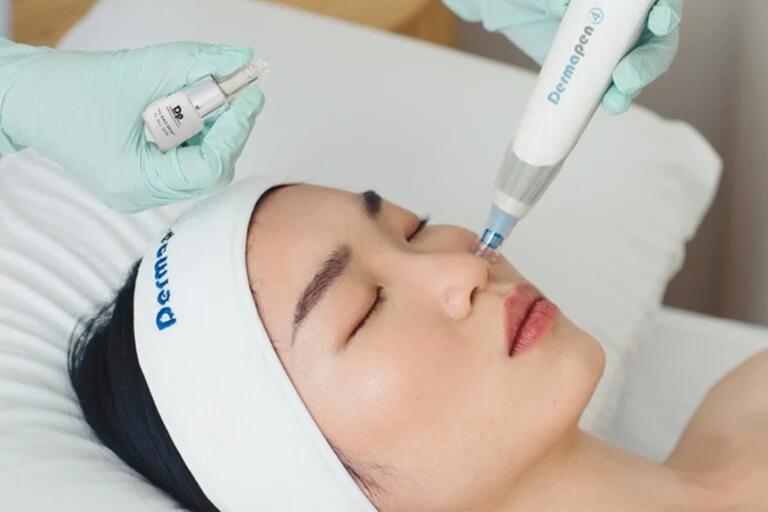
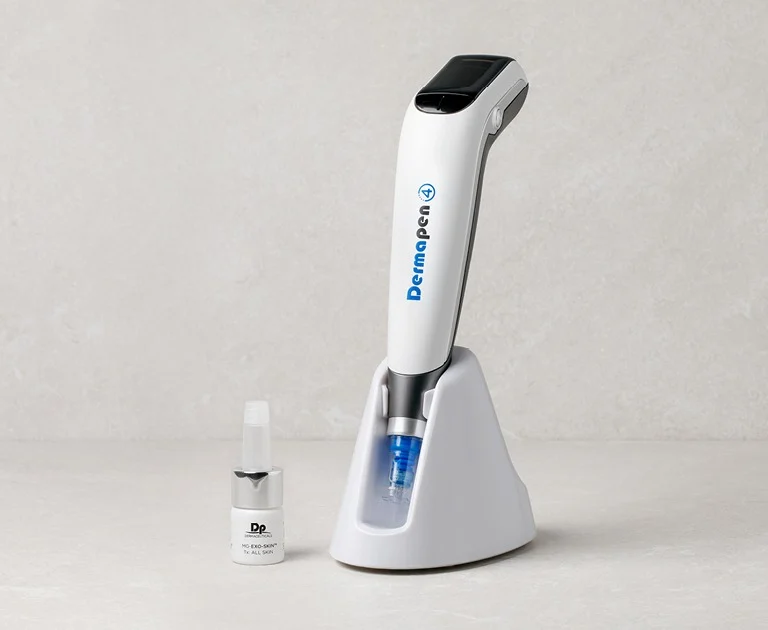
At Lovoir Day Spa Christchurch, we perform microneedling using DermapenWorld’s Dermapen 4™, a medical-grade device trusted globally and designed to deliver precise depth control and consistent results.
🔗 Read Microneedling 101: Everything You Need To Know for the full rundown of details – the benefits, the step-by-step process, when to expect results, how often to get it, and so much more.
Exosomes, on the other hand, are tiny extracellular vesicles released by cells, carrying a cargo of proteins, lipids and signalling molecules that help cells “talk” to each other and coordinate repair processes. In aesthetics, they’re used topically in serums to support regeneration, calm inflammation and enhance the outcomes of treatments such as microneedling.
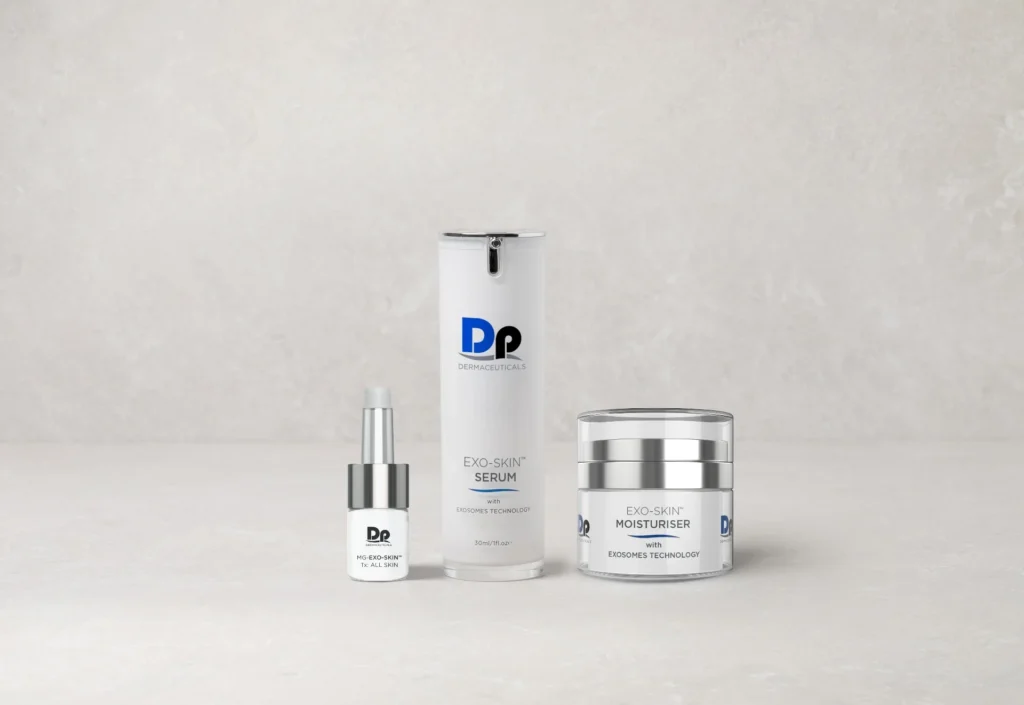
At Lovoir, we pair our Dermapen 4 Microneedling with DP Dermaceuticals EXO-SKIN™, a clinic-only exosome serum designed to complement microneedling. It is formulated with thousands of signalling proteins and advanced delivery systems to support hydration, collagen stimulation and barrier repair, and it is used according to DermapenWorld’s protocols.
🔗 Read our Comprehensive Guide on Microneedling with Exosomes for the full rundown of details – the benefits, the step-by-step process, when to expect results, how often to get it, and so much more.
Is Microneedling with Exosomes Safe? What the Research Says
Microneedling safety in general
When it comes to safety, they say always trust the experts! And so here it is – the truth straight from experts:
According to study conducted by the JCAD (Journal of Clinical and Aesthetic Dermatology), a large systematic review of microneedling across multiple skin concerns (acne scarring, pigmentation, rejuvenation, etc.) found that most side effects were mild and transient.
This includes pain during treatment, short-term redness (erythema), swelling (oedema), and superficial bleeding – typically resolving within a week, with an average downtime of around 1–3 days.
As for serious complications like scarring or infection, these cases were rare when treatments were performed by trained professionals under sterile conditions.
What happens when exosomes are added?
Now when it comes to combining microneedling with exosome-rich topical formulations for concerns such as skin rejuvenation, pigmentation and texture, several clinical studies consistently report:
- Improved outcomes in skin texture, hydration, elasticity and pigmentation compared with microneedling alone in some groups
- High patient satisfaction
- No serious adverse events reported over the follow-up periods studied
In other words, in controlled environments using vetted exosome products, the overall safety profile has so far looked similar to – or even better than – microneedling alone, particularly in terms of healing and comfort.
However, it’s important to be transparent:
- These studies often involve relatively small sample sizes
- Follow-up periods are typically months, not years
- Leading reviews of exosomes in dermatology emphasise that while early data are promising, long-term safety and standardised regulations are still evolving.
The key takeway from this? When choosing a professional microneedling treatment, make sure you go to a reputable day spa that uses high-quality and well-known technology and products, as well as evidence-based protocols and industry standards.
Common, Expected Side Effects After Microneedling with Exosomes
Most people will experience some degree of short-term side effects. These are normal, expected and typically resolve within a few days.
1. Redness and Warmth
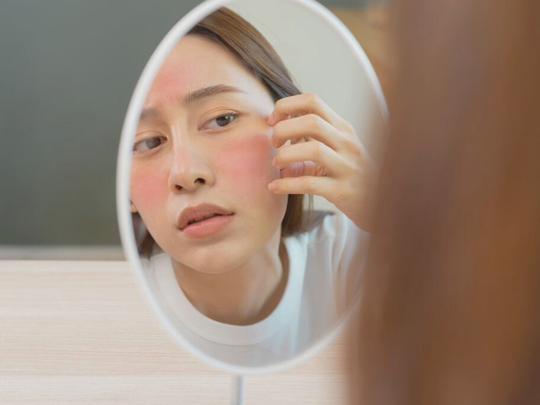
Your skin will usually look and feel like a mild to moderate sunburn straight after treatment.
- Redness is usually most noticeable in the first 24–48 hours
- The area may feel warm or slightly tight
- For most clients, the redness fades significantly by day 2–3
2. Mild Swelling
Slight puffiness – especially around delicate areas like the eyes – is common and typically settles within 1–3 days.
3. Sensitivity and Tenderness
Your skin barrier is temporarily more open, so you may notice:
- Stinging with certain skincare products
- Mild tenderness to touch
- Heightened sensitivity to heat, hot showers or exercise
This is why we recommend a gentle, fragrance-free aftercare routine and strict sun protection.
4. Pinpoint Bleeding and Minor Bruising
Microneedling intentionally creates micro-injuries in the skin. During the treatment you may see pinpoint bleeding, which stops quickly. Mild bruising can occur in areas with delicate capillaries but is usually minimal and short-lived.
5. Dryness, Flaking or Light Peeling
As your skin renews itself, you may experience:
- Dryness or roughness for a few days
- Light flaking or fine peeling as old cells shed
This is part of the healing process and typically resolves with appropriate moisturisers and barrier-supporting products.
Less Common Risks You Should Know About
While uncommon, there are some potential risks you should be aware of – especially if aftercare isn’t followed or if treatments are carried out in non-medical or unregulated settings.
1. Infection
Any procedure that creates tiny breaks in the skin carries a theoretical risk of infection. Reported infection rates in professional microneedling studies are very low when sterile technique and proper aftercare are used, but the risk increases if:
- Non-sterile equipment is used
- You touch or pick at your skin after treatment
- You apply unapproved products to the area too soon
Signs of infection include worsening redness beyond the treated area, heat, pus, significant pain or fever. These are red flags for urgent review.
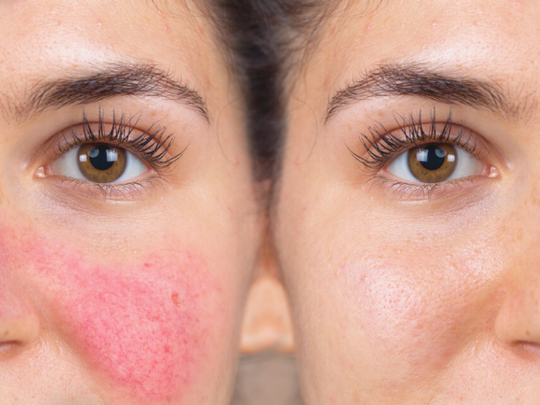
2. Prolonged Redness or Inflammation
Occasionally, redness and swelling can last longer than the usual 2–3 days, especially after deeper treatments or in very reactive skin. Persistent inflammation should be assessed to rule out irritation, allergy or infection.
3. Acne-Like Breakouts or Pustules
In a systematic review, a small proportion of clients developed short-term pustular breakouts after microneedling for acne.
This is usually self-limiting but can be more likely if:
- There is underlying acne or congestion
- Heavy or occlusive products are applied too early
- Aftercare instructions are not followed
4. Pigment Changes (PIH or Hypopigmentation)
Post-inflammatory hyperpigmentation (temporary darkening) can occur after any inflammatory skin procedure, particularly in medium to deeper skin tones or if the skin is exposed to UV during healing. Very rarely, light patches (hypopigmentation) can appear.
This is why strict sun protection and customised settings for your skin type are essential.
5. Allergic or Irritant Reactions to Serums
Although topical exosome serums are generally well tolerated, any active formulation carries a risk of:
- Irritant dermatitis (red, itchy, stingy skin)
- True allergic reactions to specific ingredients or preservatives
Patch testing and a detailed skin/medical history help minimise this risk.
What Side Effects Look Like Day by Day: Typical Recovery Timeline
Everyone heals slightly differently, but published microneedling data and our in-clinic experience at Lovoir give a fairly consistent picture.
Immediately After Treatment (0–24 Hours)
- Skin looks pink to bright red, like a sunburn
- Warmth, tightness and mild tenderness
- Possible pinpoint bleeding that stops quickly
- Exosome serum and barrier products are applied to support healing
Most clients do not feel “sore” enough to need pain relief, but you may prefer to head straight home and relax.
Day 1–3
- Redness gradually fades to a light pink flush
- Swelling, if present, usually peaks in the first 24–48 hours then subsides
- Skin may feel dry or rough; some flaking begins around day 2–3
This is the stage where exosomes can really shine for many clients, helping skin feel more hydrated and comfortable as it recovers.
Day 3–7
- Pinkness usually resolves completely or becomes barely noticeable
- Flaking/peeling settles as fresh, smoother skin comes through
- Early improvements in texture and glow may already be visible
After 1–4 Weeks
- Gradual, ongoing improvements in tone, texture and firmness as collagen remodelling continues
- With a series of treatments (e.g., 4–6 sessions), results typically compound over time
Your therapist will recommend a schedule based on your concerns (acne scarring, pigmentation, fine lines, etc.) and how your skin responds.
Does adding exosomes change these common side effects?
The good news is, several clinical trials and clinic reports suggest that exosome-enhanced microneedling may help appease these side effects.
- Reduce inflammation faster
- Improve post-treatment hydration
- Help redness and discomfort settle more quickly than microneedling alone
While you will still experience normal short-term microneedling side effects, many clients find the skin feels calmer and recovers more comfortably when exosomes are included.
📅 Thinking about microneedling and worried about downtime? Book a skin consultation at Lovoir Day Spa Christchurch and we’ll tailor your treatment depth, exosome use and aftercare plan to your skin and schedule.
Exosome-Specific Concerns: Are There Extra Risks?
Now on the opposite end – do exosomes cause any extra side effects?
More good news! Most published studies using exosomes with microneedling or laser treatments for skin rejuvenation report no serious adverse events and high patient satisfaction over the follow-up period.
But that said, there are some potential issues we need to highlight when it comes to exosomes, especially given it’s a relatively new trend in the beauty space. Some things to look out for:
- Unregulated exosome products (e.g., lacking proper quality controls or clear origin)
- Exosome products incorrectly labelled as “approved” when they are not
- Exosome-related treatments performed outside appropriate clinical settings or delivered in poorly regulated environments
In these cases, rare complications may arise such as granulomatous reactions (lumps/nodules in the skin) and even skin necrosis.
Long story short: The safety of microneedling with exosomes depends heavily on the product used and the professionalism of the clinic performing the treatment.
Who Is Not a Good Candidate for Microneedling with Exosomes?
While microneedling with exosomes is suitable for many people, certain situations call for caution or complete avoidance. Based on dermatology guidance and clinical best practice, you may not be a candidate if you:
- Are pregnant or breastfeeding
- Have active skin infections, cold sores, open wounds or severe inflammatory acne in the treatment area
- Have a history of keloid scarring or very abnormal wound healing
- Are on certain medications (e.g., recent oral isotretinoin – this requires careful timing and medical sign-off)
- Have uncontrolled autoimmune or systemic conditions affecting the skin
- Have recently had strong chemical peels, ablative lasers or other invasive skin procedures on the same area
- Have known allergies to any of the ingredients in the exosome serum
Even if you’re unsure, it’s better to ask.
📅 Not sure if microneedling with exosomes is right for you? Book a skin consultation at Lovoir – our dermal therapists will assess your skin, medical history and goals, then explain the suitable treatment for you.
When to Call Your Therapist or Seek Medical Help
The majority of side effects settle quickly. However, you should contact Lovoir (and, if needed, your GP or dermatologist) straight away if you notice:
- Rapidly spreading redness or swelling beyond the treated area
- Increasing pain rather than gradual improvement
- Yellow or green discharge, crusting or a foul smell
- Fever, chills or feeling generally unwell
- Lumps, nodules or hard areas developing under the skin
- Persistent dark or light patches that don’t gradually improve
- Any symptom that worries you or feels “not quite right”
Early assessment means early intervention – and that’s always safer.
FAQs: Side Effects of Microneedling with Exosomes
Does microneedling with exosomes hurt more than regular microneedling?
No. Discomfort is largely related to the needling itself, not the exosome serum. Most clients describe it as a light prickling rather than pain, especially with topical numbing.
Will my skin peel?
Many people experience mild flaking or fine peeling for a few days as old cells shed. It’s usually subtle, not a heavy peel, and can be managed with gentle moisturisers recommended by your therapist.
Can I go to work the next day?
Most clients can return to work the following day, especially if they’re comfortable with a little residual redness. If your job is in front of bright lights or cameras – or you simply prefer to be fully “back to normal” – you might want to schedule your treatment before a day or two off.
How many sessions before my skin gets used to it?
Most people feel more relaxed with each session as they learn what to expect. A typical course is 4–6 treatments, spaced several weeks apart,k with maintenance sessions as needed depending on your goals.

How Lovoir Minimises Risks & Side Effects
Lovoir’s approach to microneedling with exosomes is built around safety first, results always.
Drawing on our experience with advanced microneedling, melasma and rosacea treatments, and our dedicated microneedling with exosomes protocol, we minimise risk through:
1. Comprehensive Skin Consultations
Every journey starts with a consultation at our day spa Christchurch locations (Avonhead and The Crossing). We:
- Review your skin history, medications and medical background
- Discuss previous reactions to treatments
- Assess your skin using professional tools and lighting
- Decide whether microneedling with exosomes is appropriate – or whether a gentler option (like NanoFusion) is better
2. Gold-Standard Devices and Serums
- Dermapen 4™ for controlled, precise microneedling depth
- DP Dermaceuticals EXO-SKIN™ exosome serum, formulated specifically for in-clinic use and backed by manufacturer research
- Strict adherence to DermapenWorld protocols, including sterilisation and single-use consumables
3. Customised Treatment Settings
We never take a “one size fits all” approach. Needle depth, speed and treatment pattern are adjusted according to:
- Skin type and colour
- Concern (e.g., melasma vs rosacea vs scars)
- Sensitivity and previous treatment history
4. Detailed Aftercare and Support
We provide clear, written and verbal aftercare instructions, including:
- When to cleanse and with what
- Which active ingredients to avoid temporarily
- How and when to reintroduce your usual skincare
- Exactly how to protect your skin from UV during healing
Ready To Experience Microneedling with Exosomes in Christchurch?
Microneedling with exosomes is one of the most exciting developments in modern skin rejuvenation – but like any advanced treatment, it’s essential to understand the side effects, risks and safety measures before you dive in.
When performed with:
- a high-quality device (Dermapen 4™),
- a vetted exosome serum (EXO-SKIN™), and
- experienced therapists who prioritise skin health,
This treatment offers powerful results with a side-effect profile that is generally mild and manageable for the right candidates.
If you’re ready to explore microneedling with exosomes at a trusted day spa christchurch locals love, we’d be honoured to look after your skin!
Book your skin consultation
Browse our Microneedling treatment
Got Other Beauty Needs?
We’ve got it all for you! Check out our wide range of beauty treatments at Lovoir Day Spa:
- Advanced skin treatments and facials, like dermaplaning, chemical peels, LED therapy, IPL skin rejuvenation, and more.
- Massage & body treatments from aromatherapy and hot stone to reflexology, pregnancy, and couples massages.
- Beauty salon essentials, like manicure & pedicure, makeup & spraytan, eyebrow & eyelash enhancements, waxing & hair removal, and more.
- Curated spa packages & spa gift vouchers, best for me-time spa days, bridal preps, hens’ parties, or a relaxing escape
When in doubt, just consult our expert aestheticians, and we’ll help recommend the best treatment for your beauty goals. We hope to see you soon!
Visit our Beauty Salon & Day Spa at Lovoir The Crossing:
Explore more of our expert Microneedling guides:
- Ultimate Guide: What Is Microneedling?
- Ultimate Guide: Microneedling with Exosomes
- Can Dermapen Microneedling Be Used On Any Skin Colour?
- Microneedling for Scars
- Microneedling for Hyperpigmentation and Dark Spots
- Microneedling for Wrinkles and Aging
- Microneedling for Acne
- Nanofusion 101: The Microneedling Alternative for Sensitive Skin
- EXO-GROW Microneedling: The Ultimate Hair Rejuvenation Treatment