If you’ve struggled with breakouts or the marks they leave behind, you’ve probably wished you could just peel the damage away and start again. That’s exactly the idea behind professional chemical peels – controlled exfoliation that encourages your skin to renew itself, revealing a smoother, clearer surface underneath.
Now, while it may be a trusted treatment for skin conditions like dark spots and wrinkles, it is not always the most suitable treatment for everyone, so you may be wondering: Are chemical peels for acne GOOD or BAD? And if so, what type of chemical peel is best for acne?
You’ve got questions, and we’ve got answers. Allow us to break it down for you!
Quick Answer: Do Chemical Peels Really Help Acne?
Yes! Pofessional chemical peels can be a very effective part of an acne plan, particularly helping to:
- Unclog pores by dissolving the “glue” between dead cells
- Reduce excess oil and congestion
- Smooth rough texture and refine enlarged pores
- Support penetration of your at-home acne products
In effect, chemical peels are great for reducing mild–moderate acne, fade post-acne marks and soften shallow scars – especially when done as a personalised series of treatments and combined with a good home-care routine and complementary treatments.
✍🏼 An important note to keep in mind: For active acne, dermatology guidelines still view prescription creams and/or oral medicines as the core treatment, with chemical peels as a useful add-on.
📅 Not sure where to start with breakouts? Book a skin consultation at Lovoir and let our therapists design an acne-safe peel and skincare plan just for you at our day spa Christchurch clients love.
Understanding Acne and Acne Scars
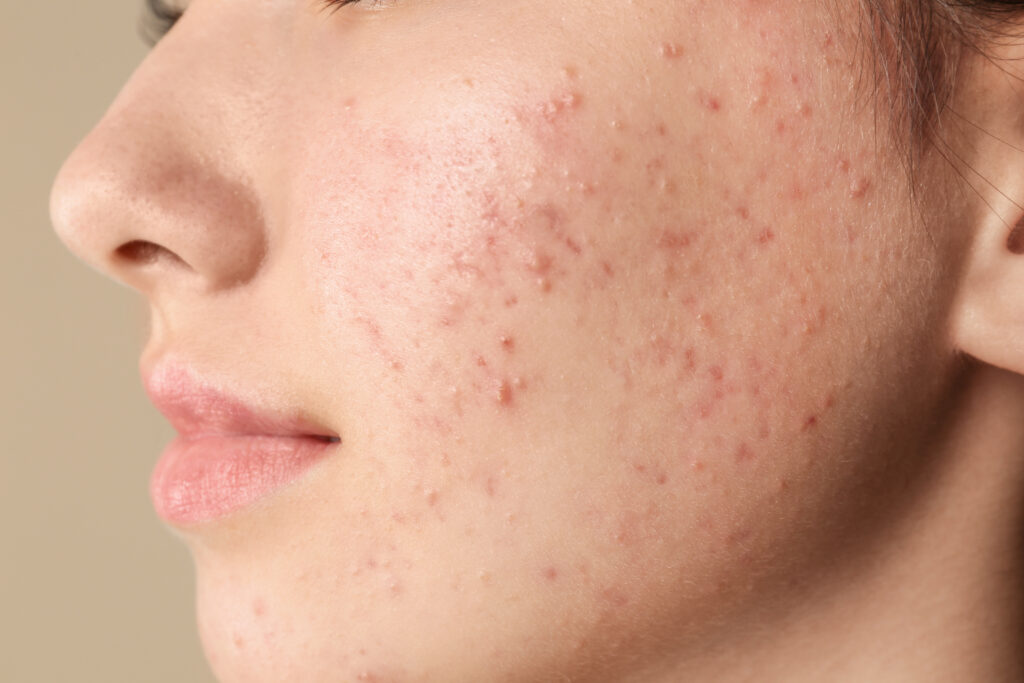
Acne forms when pores become clogged with oil and dead skin cells, allowing bacteria and inflammation to develop. Over time, this can lead to:
- Active breakouts (blackheads, whiteheads, pimples, cysts)
- Post-inflammatory erythema (pink/red marks after a spot heals)
- Post-inflammatory hyperpigmentation (PIH) – brown marks especially in medium to darker skin tones
- True scars – changes in skin structure, such as:
- Atrophic (indented) scars – boxcar, rolling and ice-pick
- Raised scars – hypertrophic or keloid
- Atrophic (indented) scars – boxcar, rolling and ice-pick
While they can’t “erase” every scar type, chemical peels can be very helpful for:
- Active mild–moderate acne
- Uneven texture from shallow scars
- Post-acne dark marks and dullness
The key is choosing the right peel and combining it with an overall plan that suits your skin.
🔗 Read our article on Handy Tips For: Acne and Breakouts to learn more about the best at-home tips and professional treatments for acne scars.
What Is a Chemical Peel and How Does It Work?
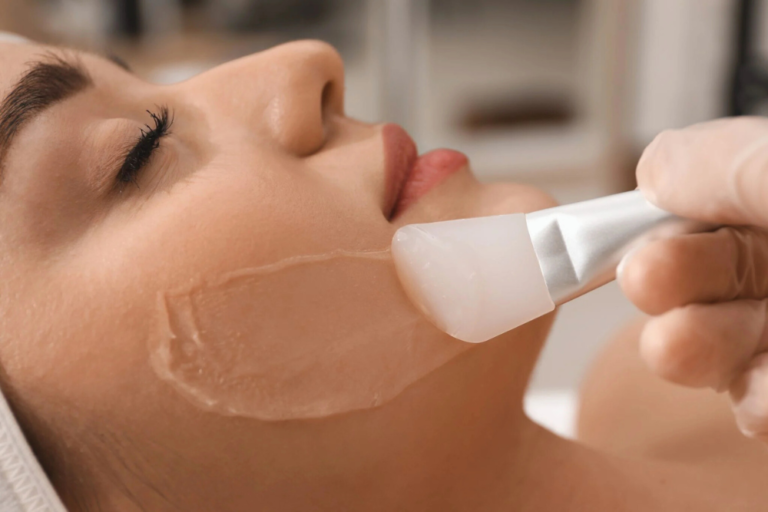
A chemical peel is a professional treatment where a solution of exfoliating acids is applied to the skin for a controlled time. This removes built-up dead skin cells and triggers new cell turnover and collagen production.
Dermatology bodies typically describe three main peel depths:
- Superficial peels – work on the outermost layer (epidermis). Great for congestion, blackheads, and mild pigmentation, with little to no downtime.
- Medium peels – reach into the upper dermis. These can address more visible texture issues and some acne scars but involve a few days of visible shedding.
- Deep peels – penetrate more deeply into the dermis and are medical procedures used for severe sun damage and deeper scars. They carry higher risks (especially of pigment changes in darker skins) and are only performed by doctors in a medical setting.
🪷 At Lovoir Day Spa in Christchurch, we focus on superficial to medium-strength professional peels that are appropriate for salon settings, and we always carry out a thorough consultation to match the right peel to your skin.
🔗 Read our Comprehensive Guide on Chemical Peels to learn the full rundown of beneifts, side effects, risks, step-by-step process, and more.
Chemical Peels for Acne Scars and Pigmentation
When the breakout is gone but the marks linger, chemical peels can help in two ways:
1. Colour: Post-Acne Dark Marks
For post-inflammatory hyperpigmentation, peels gently remove pigmented cells and stimulate fresh, more evenly toned skin to come through. Dermatology resources recognise chemical peels as one option for improving atrophic scars and associated colour changes.
2. Texture: Shallow Acne Scars
Medium-depth peels that reach the upper dermis can improve mild to moderate indented scars, especially rolling or boxcar scars. By creating a controlled injury, the peel encourages collagen remodelling so the surface looks smoother over time.
However, there are important limits:
- Deep ice-pick scars and very pronounced indentations often respond better to microneedling, subcision or other medical procedures than to peels alone.
- Raised (hypertrophic or keloid) scars usually need injections or other medical treatments, not chemical peels.
Realistically, most people will need a series of professional peels (often 3–6 sessions spaced a few weeks apart) to see meaningful change in scars and pigmentation, and the goal is softening and blending, not a completely “airbrushed” finish.
🔗 Read our other Chemical Peel guides for wrinkles, hyperpigmentation, and stretch marks.
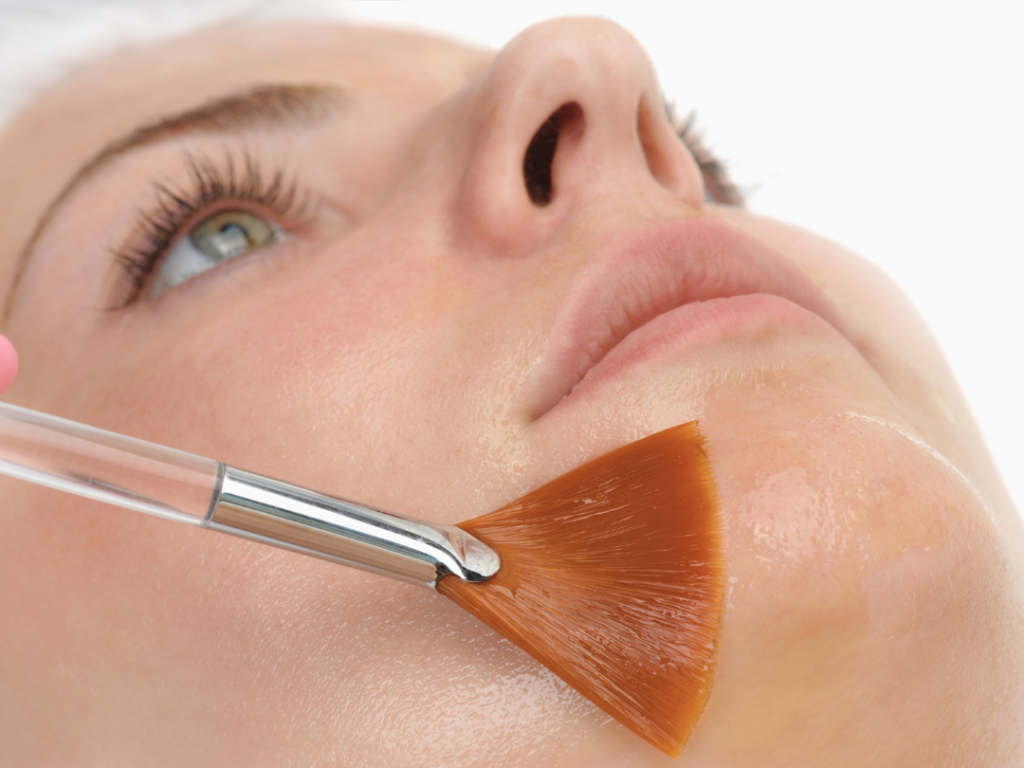
Chemical Peel Options at Lovoir Day Spa Christchurch
At Lovoir, our professional peels are customised based on ingredients and strength to your skin type, acne severity and scar depth.
They are delivered as part of our O Cosmedics Peel (60 mins) or O Cosmedics Express Peel (50 mins) treatments – which combine a double cleanse, professional exfoliation, tailored peel selection, soothing mask and targeted massage to balance results with relaxation.
Peels That Support Acne-Prone Skin
Some of our go-to options for breakouts and congestion include:
- Fruit & Enzyme-style peels (e.g. Pomegranate) – Gentle, antioxidant-rich peels that soften dead skin, support hydration and calm irritation while still helping to clear congestion. Ideal for sensitive, dehydrated or early-stage acne, and as a first step before stronger modalities.
- Pumpkin-based exfoliating peels – Rich in vitamins and enzymes that help refine thicker, sun-exposed or rough skin without being overly aggressive. Great when acne is combined with dryness or early signs of ageing.
- Oxygenating peels – Designed to instantly brighten dull, stressed, breakout-prone skin while providing gentle resurfacing. Many clients love these before an event once their acne is under control.
Peels That Target Acne Scars and Dark Marks
For more established scarring or stubborn pigment, your therapist may gradually build you up to more advanced formulations, such as:
- Vitamin C-rich brightening peels – Focused on reducing uneven tone and post-acne marks while supporting collagen.
- Retinol-based resurfacing peels – Help refine texture, soften fine lines and address acne scarring by boosting cell turnover.
- Resurfacing alpha/beta hydroxy acid peels – Combine AHAs and BHAs to deeply exfoliate, visibly smooth texture and clear congestion in thicker, photo-damaged or scarred skin (only suitable once your skin is well-prepped with active skincare and assessed as safe).
✍🏼 Important to note: Because we’re working in a day spa Christchurch setting, Lovoir takes pride in staying within safe professional strengths and avoiding medical-grade deep peels that carry higher risk of pigment change, especially in darker skin tones.
📅 Curious which peel in our O Cosmedics range is right for you? Book a consultation at Lovoir and we’ll create a treatment path specifically for your skin.
Browse Lovoir’s full range of Chemical Peels
Who Is (and Isn’t) a Good Candidate?
Based on dermatology reviews and professional guidelines, chemical peels are best suited to:
- Mild–moderate acne (blackheads, whiteheads, some inflammatory spots)
- Persistent congestion and enlarged pores
- Shallow acne scars and uneven texture
- Post-acne dark marks
You may need medical input first if you have:
- Severe, cystic or nodular acne
- A history of keloid scarring
- Very recent use of oral isotretinoin (usually within the past 6–12 months)
- Certain skin conditions like severe eczema, active infections, or open wounds in the area
A detailed consultation is essential before we recommend a chemical peel Christchurch treatment plan – including your medical history, current medications and your at-home skincare.
🪷 Here at Lovoir, apart from our expert analysis, there are times we may also suggest getting advice from your dermatologist alongside our recommended treatment plan. This is especially true for our clients with serious or severe skin conditions.
📅 Unsure whether a peel is safe for you? Start by booking a consultation with us. Our therapists will always be honest if another option is better for your skin.
Book a skin consultation here
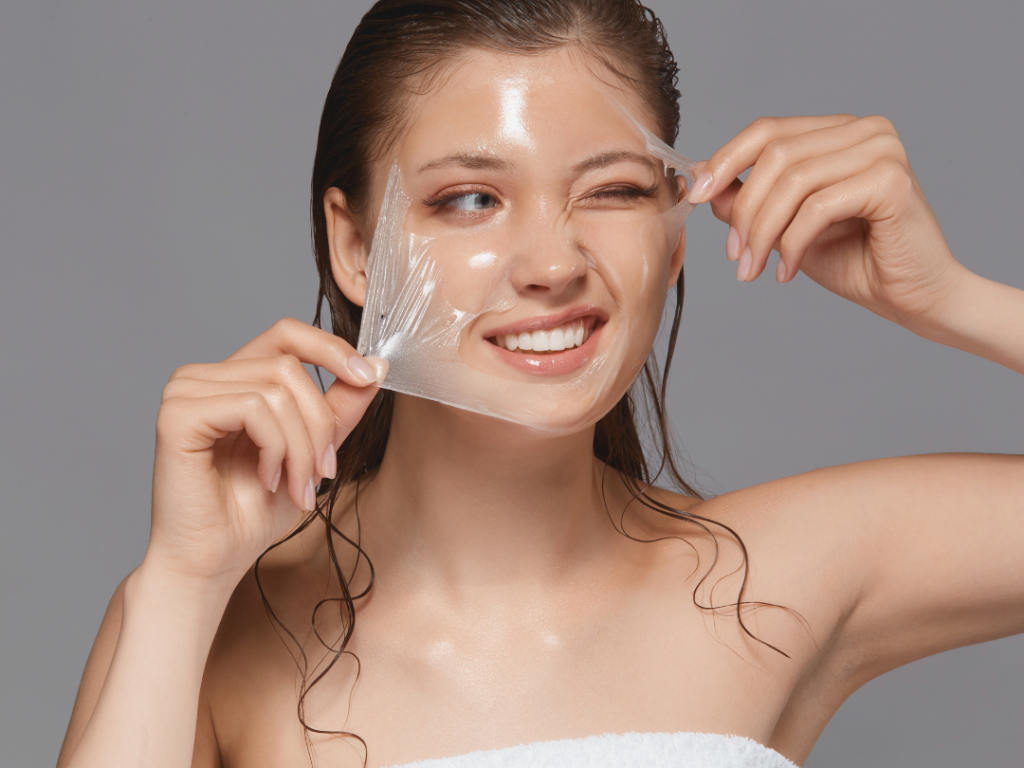
What to Expect Before, During and After Your Peel
Before Your Peel
You’ll be guided to:
- Pause strong exfoliants (like high-strength AHAs/BHAs and retinoids) a few days before
- Avoid tanning and sunburn
- Share any recent cosmetic procedures or new medications
During Your Peel
Most clients describe:
- Mild tingling, warmth or prickling as the peel works
- Occasionally stronger heat or “spicy” sensations with more active formulas (we always have fans and soothing measures ready)
- A treatment time that’s carefully controlled by your therapist, with your comfort and skin response monitored at every step
After Your Peel
Normal, expected effects can include:
- Slight redness or tightness for a few hours to a day
- Mild flaking or visible peeling (especially with medium-strength peels) over several days
- Temporary heightened sensitivity to sun and skincare actives
To protect your results and avoid complications, you’ll be asked to:
- Use a gentle cleanser and hydrating, barrier-supporting moisturiser
- Avoid picking or pulling at any peeling skin
- Pause strong actives like retinoids, benzoyl peroxide or gritty scrubs for a few days
- Apply broad-spectrum SPF 30+ daily, even on cloudy days
🪷 At Lovoir Day Spa: Our aestheticians will send you home with tailored aftercare advice and can recommend in-spa and at-home products that support clearer, calmer skin between visits.
Chemical Peels vs Other Acne & Scar Treatments at Lovoir
Chemical peels are powerful on their own, but professional skin clinics often combine them with other advanced treatments to get the best results. Some of our favorite facials include:
- Microneedling (Dermapen) – Excellent for atrophic (indented) acne scars by stimulating collagen deeper in the dermis. Studies suggest microneedling can outperform some glycolic peels for scar improvement in suitable skin types.
🔗 Read more here: Microneedling Guide
- Microneedling (upgraded with Exosomes) – Combines collagen induction with regenerative exosomes for more advanced scar and texture work.
🔗 Read more here: Microneedling with Exosomes Guide
- IPL Skin Rejuvenation – Particularly helpful for redness and pigment from old breakouts, while also supporting collagen and overall clarity.
🔗 Read more here: IPL Skin Rejuvenation Guide
- Microdermabrasion – A gentler resurfacing option that can complement peel programs, especially once active acne is under control.
🔗 Read more here: Microdermabrasion Guide
- NanoFusion – Great for enhancing glow, fine lines and mild texture issues, often alternated with peels or microneedling for sensitive skins.
🔗 Read more here: Nanofusion Guide
🪷 At Lovoir Day Spa: Our aetheticians will first consider your acne type, scar pattern, downtime tolerance and budget, then recommend whether a course of peels alone or a combination plan makes the most sense.
Check out our Lovoir Treatments here
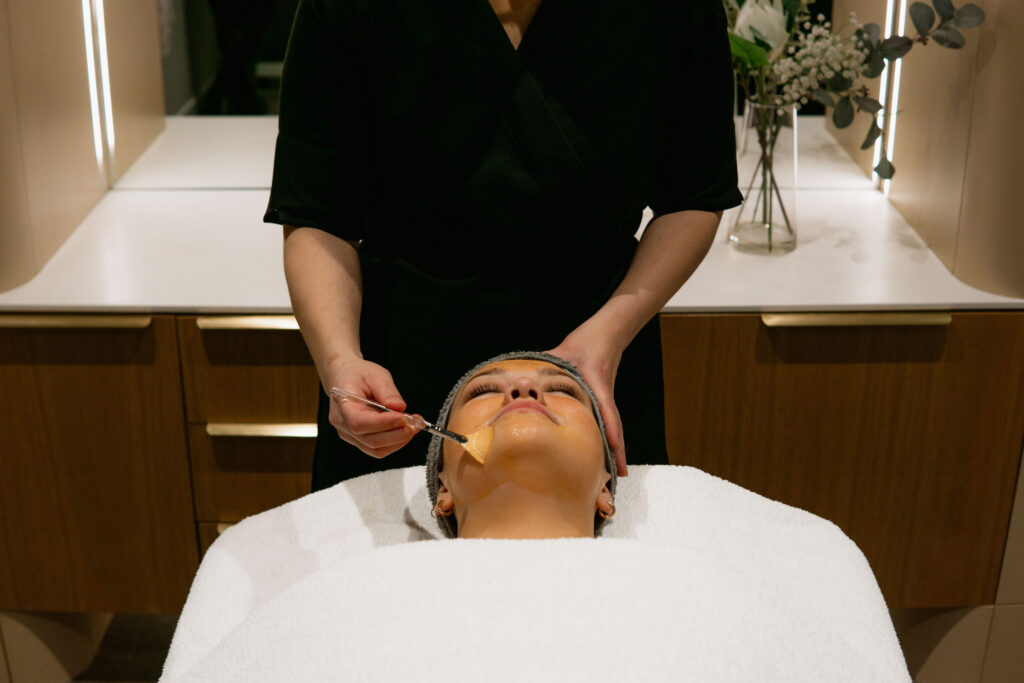
FAQs: Chemical Peels for Acne and Acne Scars
1. Do chemical peels really help acne and acne scars?
Yes. Chemical peels can reduce mild–moderate acne, smooth rough texture and fade post-acne marks. Deeper or raised scars often need extra treatments like microneedling or other medical options.
2. How many peels will I need?
Most people need around 3–6 peels, spaced a few weeks apart, to see noticeable improvement. At Lovoir, we’ll outline a personalised plan at your consultation so you know what to expect.
3. Are chemical peels safe for sensitive or acne-prone skin?
They can be, as long as the peel is chosen and applied by a trained professional. We always review your skin, medications and routine first, then select a suitable peel or suggest a safer alternative if needed.
Book a Chemical Peel in Christchurch with Lovoir
If you’re ready to tackle breakouts, soften old scars and feel more confident in your skin, a carefully chosen chemical peel Christchurch treatment can make a real difference – especially when it’s part of a thoughtful, ongoing plan.
At Lovoir, our team of highly trained therapists combine evidence-based skincare with a calming spa experience, so you can enjoy both results and relaxation at our award-winning day spa Christchurch locations.
Book your chemical peel consultation at Lovoir Day Spa today and let us help you move past acne and its scars – towards clearer, smoother, more radiant skin!
Book your skin consultation
Book an O Cosmedics Peel
Visit our Beauty Salon & Day Spa at Lovoir The Crossing: