Keratosis Pilaris (often called “chicken skin”) is one of the most common — and most harmless — skin conditions in the world. But if you’ve ever dealt with those tiny, rough bumps along your arms, thighs, or cheeks, you know they can still be frustrating.
The good news? With the right skincare habits and professional treatments, Keratosis Pilaris (KP) can be softened, smoothed, and managed incredibly well. Here’s everything you need to know — plus expert-approved tips from our therapists at Lovoir Day Spa Christchurch.
What Is Keratosis Pilaris (Chicken Skin)?
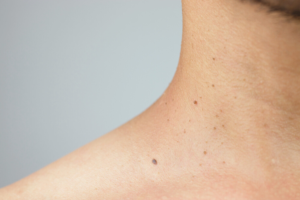
Keratosis Pilaris is a genetic skin condition where keratin — the protein that protects your skin — builds up inside the hair follicle. This causes tiny, rough bumps that feel like grit or goosebumps that never go away.
Common signs include:
- Small, rough bumps (often white, red, or skin-coloured)
- Texture that feels “polka-dotted” or like sandpaper
- Dryness around the bumps
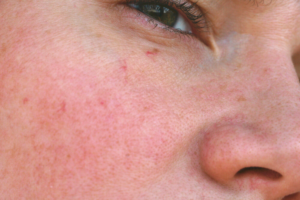
- Mild redness, especially in colder seasons
KP commonly appears on the:
- Upper arms
- Thighs
- Buttocks
- Cheeks (especially in younger clients)
While KP is harmless, many people prefer to smooth the texture and reduce the redness — especially when it affects confidence.
✨ Want personalised advice? Book a skin consultation at our day spa Christchurch so our skin therapists can tailor a treatment plan just for you.
What Causes Chicken Skin?
Keratosis Pilaris is primarily genetic, meaning it often runs in families. But several factors can make symptoms more noticeable:
1. Keratin Buildup
Dead skin cells and keratin clog the opening of the hair follicle.
2. Dry Skin
KP worsens when the skin barrier is dehydrated or impaired.
3. Seasonal Changes
Bumps may flare during dry or cold weather.
4. Underlying Conditions
KP commonly occurs alongside eczema, asthma, or sensitive skin.
5. Age
Many people experience KP from childhood or teen years, though it can continue into adulthood.
At-Home Tips To Reduce Chicken Skin
While KP can’t be “cured,” it can be significantly reduced with consistent care. Here are dermatologist-approved at-home tips:
1. Use Gentle Chemical Exfoliation (Not Scrubs)
Ingredients like lactic acid, glycolic acid, and salicylic acid help dissolve keratin buildup without damaging the skin.
2. Moisturise Daily
Look for body lotions containing:
- Urea
- Lactic acid
- Ceramides
- Niacinamide
These soften bumps while strengthening your skin barrier.
3. Avoid Harsh Scrubbing
Scrubs can worsen redness and irritation. Stick to gentle exfoliants instead.
4. Keep Showers Warm (Not Hot)
Hot water strips the skin and intensifies KP dryness.
5. Stay Hydrated
Internal hydration supports external skin health and smoothness.
Tip: Our skin therapists can recommend safe, effective resurfacing products during your next facial — just ask during your facials Christchurch appointment.
Professional Treatments That Help Smooth Chicken Skin
Apart from practical, at-home tips, professional beauty treatments can help with KP or chicken skin by accelerating progress and visibly smoothening skin texture.
Here are the best treatments we recommend – as well as our versions of these treatments available here at Lovoir Day Spa:
1. Exfoliating Facials Christchurch
Professional facials use a combination of gentle exfoliation, hydrating ingredients, and barrier-supporting actives to soften keratin buildup without irritating the skin. This is especially helpful for those with KP on the face, cheeks, or upper arms, where dryness and roughness tend to be more visible.
During your facial, your therapist will use mild AHAs or enzymes (depending on your sensitivity) to dissolve dead skin cells while infusing hydration to maintain a smooth, healthy barrier. Regular treatments can visibly reduce bumpiness and prevent future buildup.
Perfect for:
✔ Softening rough texture
✔ Reducing dry, flaky skin
✔ Improving the overall smoothness of cheeks or facial areas affected by KP
Lovoir treatment:
✨ Custom Skin Therapy Facials (tailored exfoliation + hydration based on your skin needs)
2. Microneedling (For Texture Refinement Only)
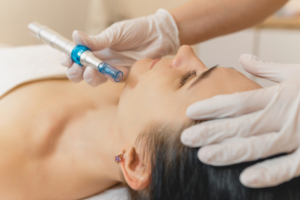
Microneedling uses ultrafine needles to create micro-channels in the skin, stimulating collagen production and encouraging faster cell turnover. While it is not recommended for inflamed, active KP, it can be beneficial for clients who struggle with long-term texture, scarring-like roughness, or discoloration related to KP flare-ups.
By prompting the skin to rebuild itself, microneedling gradually improves smoothness, enhances skin tone, and softens stubborn bumpiness that doesn’t respond to exfoliation alone.
Perfect for:
✔ Refining uneven texture
✔ Improving long-term roughness
✔ Supporting overall skin regeneration
✨Lovoir treatment: Dermapen Microneedling (DP Dermaceuticals-approved, safe for sensitive and KP-prone skin when appropriate)
📌 Read: Ultimate Guide on Microneedling
3. Chemical Peels (AHA/BHA Resurfacing)
Chemical peels use active ingredients like lactic acid, glycolic acid, and salicylic acid — all dermatologist-recommended for Keratosis Pilaris. These acids work by breaking down keratin plugs inside the hair follicle while smoothing the top layer of skin.
A professionally administered peel provides deeper exfoliation than at-home products, speeding up skin renewal, reducing rough bumps, and helping moisturiser penetrate better. With consistent sessions, skin appears smoother, clearer, and more refined.
Perfect for:
✔ Reducing keratin buildup
✔ Smoothing persistent rough bumps
✔ Improving overall texture on face or body areas
✨Lovoir treatment: O Cosmedics Peels (customised AHA/BHA peel options to resurface texture safely)
📌 Read: Ultimate Guide on Chemical Peels
4. LED Light Therapy
LED Light Therapy uses wavelengths of red and near-infrared light to reduce inflammation, calm redness, and accelerate the skin’s natural healing processes. Since KP can be linked with sensitivity and redness, LED is an excellent add-on therapy that enhances results from exfoliating treatments.
Red LED also strengthens the skin barrier — which is essential for keeping KP flare-ups under control long-term.
Perfect for:
✔ Redness around bumps
✔ Sensitive, easily irritated KP
✔ Supporting skin recovery from exfoliating treatments
✨Lovoir treatment: LED Light Therapy (can be added to facials or used as a standalone session)
📌 Read: Ultimate Guide on LED Light Therapy
5. Hydrating & Exfoliating Body Treatments
When KP affects the arms, thighs, or buttocks, body treatments can be highly effective. These services combine gentle exfoliation with deep hydration to remove dead skin buildup and soften the rough, “goosebump” texture associated with chicken skin.
By strengthening the moisture barrier and lifting keratin plugs gradually, body treatments help maintain smoother skin between sessions.
Perfect for:
✔ Bumps on arms, legs, and buttocks
✔ Dry, rough body texture
✔ Maintaining smoothness long-term
✨Lovoir treatment: Iluminating Body Polish (full-body nourishing + hydrating session)
Skincare Ingredients That Help With Chicken Skin
Dermatologists commonly recommend the following ingredients for KP:
1. Lactic Acid
Softens keratin buildup and hydrates.
2. Urea
Gently exfoliates and deeply moisturises.
3. Glycolic Acid
Smooths texture and refines bumps.
4. Ceramides
Strengthen the skin barrier and reduce dryness-related flares.
5. Niacinamide
Calms redness and supports skin repair.
Avoid ingredients that are too harsh, such as high-percentage retinoids or strong mechanical scrubs.
Our skin therapists can recommend the best products during your treatment at Lovoir.
When Chicken Skin Might Be Something Else
Not all bumps are Keratosis Pilaris. It may be another condition if bumps are:
- Itchy
- Painful
- Filled with pus
- Widespread
- Suddenly appearing in adulthood
Skin conditions that resemble KP include:
- Folliculitis
- Eczema
- Body acne
- Contact dermatitis
If you’re unsure, book a consultation — our therapists can help identify the difference and guide you to the right care.
Final Tips For Managing KP Long-Term
✔ KP is a long-term condition, but highly manageable
✔ Consistency is more important than intensity
✔ Gentle exfoliation + hydration is the golden combination
✔ Professional treatments can accelerate visible improvement
✔ KP often improves with age
Ready For Smoother Skin? Visit Lovoir Day Spa Christchurch
If you’re tired of rough, bumpy chicken skin, our team at Lovoir Day Spa can help you create a routine and treatment plan that truly works.
Whether you’re looking for facials Christchurch, microneedling, chemical peels, LED therapy, or personalised skincare advice — we’re here to help your skin feel soft, smooth, and confident again. We hope to see you at the day spa soon!
Book your skin consultation
Book your facial treatment
Got Other Beauty Needs?
We’ve got it all for you! Check out our wide range of beauty treatments at Lovoir Day Spa:
- Advanced skin treatments and facials, like dermaplaning, chemical peels, LED therapy, IPL skin rejuvenation, and more.
- Massage & body treatments from aromatherapy and hot stone to reflexology, pregnancy, and couples massages.
- Beauty salon essentials, like manicure & pedicure, makeup & spraytan, eyebrow & eyelash enhancements, waxing & hair removal, and more.
- Curated spa packages & spa gift vouchers, best for me-time spa days, bridal preps, hens’ parties, or a relaxing escape
When in doubt, just consult our expert aestheticians, and we’ll help recommend the best treatment for your beauty goals. We hope to see you soon!
Visit our Beauty Salon & Day Spa at Lovoir The Crossing:
Explore more of our Handy Tips series:
- Handy Tips For: Acne & Breakouts
- Handy Tips For: Blackheads
- Handy Tips For: Dry Skin
- Handy Tips For: Dull Skin (Part 1)
- Handy Tips For: Dull Skin (Part 2)
- Handy Tips For: Facial Redness & Rosacea
- Handy Tips For: Melasma
- Handy Tips For: Pigmentation & Dark Spots
- Handy Tips For: Sensitive Skin
- Handy Tips For: Stretch Marks
- Handy Tips For: Wrinkles & Anti-Aging (Part 1)
- Handy Tips For: Wrinkles & Anti-Aging (Part 2)