Our skin experts answer the most frequently asked questions about Chemical Peels — including how it works, who it suits, safety, results, and cost.
What is a chemical peel?
A chemical peel is a professional skin-resurfacing treatment that uses carefully selected acids or enzymes to exfoliate and renew the skin.
They come in different forms — either as a single solution or a customised combination of several ingredients — depending on your skin goals and concerns.
When applied to the face (or body), the solution removes damaged outer skin layers and encourages fresh, healthier skin to surface. This helps improve:
- Dullness
- Uneven tone
- Acne and congestion
- Pigmentation
- Fine lines
- Shallow scarring
Stronger peels penetrate deeper layers to address more advanced concerns such as deeper wrinkles or more pronounced hyperpigmentation.
Think of it as a controlled reset for your skin — removing what’s tired and damaged, and making room for smoother, brighter skin underneath.
How does a chemical peel work?
A chemical peel works through controlled exfoliation.
The solution gently breaks down the bonds between old, damaged skin cells so they can shed more efficiently. As this happens, your skin:
- Accelerates natural cell turnover
- Stimulates collagen production (especially with medium-depth peels)
- Reveals fresher, smoother skin underneath
In the days following treatment, you may notice peeling or flaking. While it might look dramatic, it’s simply your skin regenerating itself — part of the renewal process.
Because peels involve active acids, professional assessment is important to ensure the right type and strength are used for your skin.
What are the different types of chemical peels?
Chemical peels are generally classified into three categories:
- Light (superficial) peels
- Medium-depth peels
- Deep peels
The difference depends on:
- Type of peeling agents used (enzymes or acids)
- Concentration
- Depth of penetration
Common peeling agents include:
- Fruit enzymes (superficial exfoliation)
- Glycolic acid (AHA)
- Lactic acid (AHA)
- Salicylic acid (BHA)
- Trichloroacetic acid (TCA)
- Phenol (deep medical peels only)
Enzymes work on the surface of the skin to dissolve dead skin cells and deliver quick, glow-enhancing results.
Acids penetrate deeper into pores and skin layers to address more stubborn concerns like pigmentation, acne scars, and fine lines. These results take longer to fully appear but can be more corrective.
As a general rule:
The higher the concentration, the stronger the peel.
Stronger peels may deliver more dramatic results — but they also involve more downtime and potential side effects. Light peels often have minimal downtime, while deep peels may require sedation, antibiotics, and weeks of recovery.
A trained skin professional will customise the type, combination, and strength based on your skin condition and goals.
What is the difference between a light, medium, and deep chemical peel?
| Light Peel | Medium Peel | Deep Peel | |
|---|---|---|---|
| Depth | Outermost layer (epidermis) | Upper dermis | Deeper dermal layers |
| Downtime | Minimal | Moderate | Significant |
| Recovery | Mild tingling, slight redness | Several days to 2 weeks | Significant — medical recovery |
| Best for | Dullness, mild acne, minor pigmentation | Melasma, acne scars, fine lines | Severe sun damage, deep wrinkles |
| Frequency / results | Often repeated monthly | Spaced several months apart | Results can last years |
| Performed by | Spa / aesthetician | Spa / aesthetician | Medical professional only |
An important caveat to keep in mind: Deep peels are medical procedures — not spa treatments.
What are the benefits of a chemical peel?
Depending on strength, chemical peels can:
- Brighten dull skin
- Improve uneven tone
- Reduce acne and congestion
- Fade dark spots
- Smooth shallow acne scars
- Soften fine lines
- Improve overall skin texture
Light peels are excellent for maintenance and glow.
Medium peels provide more corrective improvements for pigmentation and early signs of ageing.
Deep peels are reserved for more severe sun damage, deep wrinkles, or scarring — and are typically performed in medical settings.
Can chemical peels help with acne?
Yes — especially for mild to moderate acne.
Certain peels (like salicylic acid) help by:
- Clearing clogged pores
- Reducing oil production
- Calming inflammation
- Speeding up healing
Gentler enzyme or antioxidant-based peels may also support acne-prone or sensitive skin without excessive irritation.
However, severe cystic acne may require medical treatment first before considering peels.
Can chemical peels reduce acne scars?
Chemical peels can improve:
- Post-acne dark marks (hyperpigmentation)
- Shallow rolling or boxcar scars
Medium-depth peels stimulate collagen remodelling, helping the skin appear smoother over time.
However:
- Deep ice-pick scars often respond better to microneedling or subcision
- Raised scars require different medical treatments
Peels are helpful — but sometimes part of a larger treatment plan.
Can chemical peels treat pigmentation or dark spots?
Yes. Chemical peels are commonly used to treat:
- Sun spots
- Post-inflammatory hyperpigmentation
- Uneven tone
- Some forms of melasma
Different acids serve different purposes:
- Salicylic acid – acne-related pigmentation
- Glycolic acid – brightening and cell turnover
- Lactic acid – gentler for sensitive skin
- TCA – deeper correction for stubborn pigmentation
Results depend on pigment depth, consistency of treatment, and sun protection.
Do chemical peels help with fine lines and wrinkles?
Medium-depth peels can help soften fine lines by:
- Removing damaged surface cells
- Stimulating collagen production
- Improving skin elasticity
They are most effective for early signs of ageing rather than deep static wrinkles.
Do chemical peels work on stretch marks?
Chemical peels may help improve:
- Discolouration of stretch marks
- Texture irregularities
By removing the top layer of dry or damaged skin cells, chemical peels allow new skin to form underneath. The result can be smoother skin with reduced discolouration and less visible scarring.
They will not completely remove stretch marks, but they can make them less noticeable over time.
Who is a good candidate for a chemical peel?
Chemical peels are suitable for individuals experiencing:
- Uneven skin tone
- Sun damage
- Persistent congestion and enlarged pores
- Mild–moderate acne (blackheads, whiteheads, some inflammatory spots)
- Shallow acne scars and uneven texture
- Post-acne dark marks
- Fine lines and wrinkles
In general, individuals with lighter skin tones and darker hair tend to respond most predictably to chemical peels. However, many peel types can be adjusted for different skin tones with proper professional guidance.
Because every skin journey is unique, a personalised consultation helps determine whether this treatment is the right fit for you.
Who should avoid chemical peels?
Chemical peels may not be suitable for:
- Active severe cystic acne
- Recent isotretinoin use (6–12 months)
- History of keloid scarring
- Active infections or open wounds
- Severe eczema flare-ups
Medical consultation may be necessary in certain cases.
Are chemical peels safe?
Yes — when performed by trained professionals using appropriate formulations.
Safety depends on:
- Correct peel selection
- Proper strength and timing
- Accurate skin assessment
- Adherence to aftercare
Risks increase significantly with improper application or unsupervised high-strength products.
Are chemical peels suitable for sensitive skin?
Yes — but typically only light or enzyme-based peels.
Sensitive skin may require:
- Lower acid concentrations
- Longer intervals between treatments
- Extra barrier-support aftercare
Professional guidance is essential.
Are chemical peels good for darker skin tones?
Yes — but depth and acid selection matter.
Superficial and carefully selected medium peels can be safe for darker skin tones when performed correctly.
Deep peels carry higher risk of pigment changes and should be approached cautiously under medical supervision.
How should you prepare for a chemical peel?
Preparation may include:
- Avoiding strong exfoliants (AHAs, BHAs, retinoids)
- Avoiding sun exposure
- Informing your provider of medications or allergies
Preparation timing depends on peel strength.
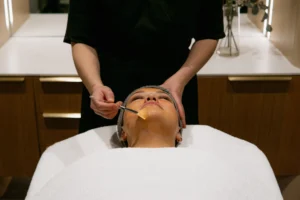
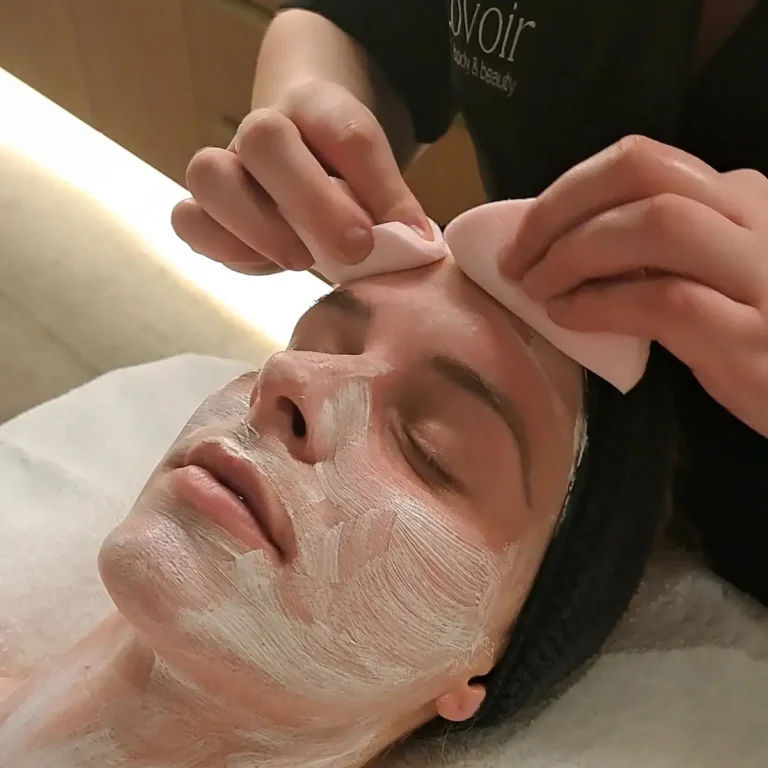
What happens during a chemical peel treatment?
Here’s what typically happens during a professional chemical peel:
- Thorough cleansing
Your skin is cleansed to remove makeup, oil, and impurities. - Application of the peel solution
The chemical solution — made of selected acids or enzymes — is evenly applied across the treatment area. Some areas may receive additional layers depending on your concerns. - Monitoring the skin response
The solution is left on for a specific amount of time — carefully monitored to ensure safety and effectiveness. You may feel tingling or warmth during this stage. - Neutralisation (if required)
Some peels require a neutralising solution to stop the acid activity. Others are self-neutralising and simply removed after a timed period. - Soothing and protection
Calming serums, moisturisers, and sunscreen are applied to support recovery.
The entire process is controlled and customised — not random acid application.
How long does a chemical peel session take?
Most sessions take 30–60 minutes, depending on peel type.
Does a chemical peel hurt?
Most people describe the sensation as:
- Mild tingling
- Warmth
- A brief “spicy” feeling
Stronger peels may feel more intense, but discomfort is temporary and monitored closely.
Cooling measures and soothing products are used immediately after treatment to calm the skin.
It’s important to remember: some sensation is normal — it simply means the peel is working. The feeling typically settles within minutes to hours.
How many chemical peel sessions are needed?
Most people require 3–6 sessions spaced several weeks apart to see meaningful improvement.
Light peels may be done monthly.
Medium peels are spaced further apart to allow proper healing.
The exact number, spacing, and type of peel will always depend on:
- Your skin condition
- Your goals
- How your skin responds
Your aesthetician will recommend a treatment plan tailored to your skin and goals. Starting with a personalised consultation helps map out the safest and most effective schedule for you.
When will you see results from a chemical peel?
Many people notice a brighter glow within a few days.
However, the full result unfolds over time:
- Days 1–7: Peeling and flaking (varies by depth)
- Week 1–2: Smoother, clearer surface
- Weeks 2–4: Continued improvement in tone and texture
- Over multiple sessions: Gradual collagen stimulation and pigmentation correction
For deeper concerns like melasma or acne scars, consistency matters more than speed.
How long do chemical peel results last?
Results vary:
- Light peels: weeks to a few months
- Medium peels: several months
- Deep peels: potentially years
Maintenance treatments help sustain results.
What are the side effects of a chemical peel, and what does recovery look like?
It’s completely normal to experience temporary changes after a peel. These are signs that your skin is renewing itself.
Light Peels
- Mild redness
- Light flaking
- Minimal downtime
Medium Peels
- Noticeable peeling
- Redness and tightness
- Possible mild swelling
- Recovery: 5–14 days
Deep Peels
- Significant peeling
- Swelling and redness
- Strict aftercare required
- Recovery: weeks
Redness, tightness, and peeling are expected and temporary.
You should seek medical advice if you experience:
- Severe swelling
- Signs of infection
- Persistent or worsening pain
With proper aftercare, most side effects resolve smoothly.
What are the aftercare instructions for a chemical peel?
Proper aftercare supports healing and protects your results.
First 48 hours:
- Avoid sun exposure
- Avoid heat, heavy exercise, and hot showers
- Do not exfoliate
- Use gentle cleanser and moisturiser
Ongoing care:
- Apply high-SPF sunscreen daily
- Do not pick at peeling skin
- Avoid harsh active ingredients until advised
Following aftercare closely reduces irritation and supports smoother recovery.
If you’d like a more comprehensive breakdown of how this treatment works — including detailed benefits, candidacy considerations, and treatment planning — you can read our complete guide to Chemical Peels.
Further Questions About Chemical Peels
What is the difference between a chemical peel and microneedling?
Chemical peels exfoliate using acids, while microneedling creates controlled micro-injuries to stimulate collagen. Peels are often better for pigmentation; microneedling may be better for deeper scars.
Chemical peel vs laser: which is better?
It depends on your concern.
- Peels are excellent for surface pigmentation and glow.
- Lasers may address deeper vascular or pigment issues.
Can chemical peels be combined with other treatments?
Yes, but timing matters. Peels are often alternated with microneedling, LED therapy, or certain facials. Aggressive treatments should not be done simultaneously.
How much does a chemical peel cost?
The cost of a chemical peel varies depending on:
- The type of peel (light, medium, or deep)
- The strength and formulation used
- The size of the treatment area
- The number of sessions required
In general, single-session pricing typically ranges between:
- $120–$200 for light/superficial peels
- $250–$400 for medium-depth peels
- $600–$1,500+ for deep medical peels (performed in clinical settings)
Most people benefit from a series of 3–6 treatments, particularly for pigmentation, acne scars, or melasma. Package pricing is often available for maintenance plans.
While lighter peels are more affordable per session, medium peels may provide more corrective results over time — making them more cost-efficient depending on your goals.
A consultation is recommended to determine the most appropriate peel type and personalised pricing.
View chemical peel treatment options and pricing.
Where can I get a Chemical Peel in Christchurch?
Considering chemical peels in Christchurch? At Lovoir Beauty Salon & Day Spa, our skin experts can assess your needs and tailor a plan to your goals. Book a consultation to get started.