What with all the other bodily changes you’re going through when growing a new life, skin discolouration is probably the last thing you want to add to the list. Yet for many women, pigmentation during pregnancy is a real issue. Here’s what you need to know!
What is pigmentation or chloasma?
Commonly referred to as the ‘mask of pregnancy’, chloasma is the term given to darker patches of pigmentation which can form on different areas of your face – usually on the forehead, nose, cheeks and neck.
Have you noticed dark underarms during pregnancy? Linea nigra – the dark line which runs down your belly?
Yup, they are also common forms of pigmentation! Along with skin darkening along the inner thighs and around the neck, too. It is thought to affect up to 75% of expectant mums – usually during the first trimester – and for some, it can even be one of the first signs you’re pregnant! The darker you are, the more likely you are to get it.
Why does pigmentation happen during pregnancy?
Melasma occurs when the body makes extra melanin – the pigment responsible for skin, hair and eye colour and protecting against UV light. Increased pigmentation when pregnant usually comes about as a result of increased levels of hormones, but family history can play a part, too.
If you’re dealing with melasma, whether pregnant or not, it’s important to educate yourself on melasma skincare tips to help regularly manage your skin condition. Apart from daily skincare, it’s also worth investing in professional facial treatments for melasma every few months.
What can I do about pigmentation or chloasma during pregnancy?
For most pregnant women, pigmentation will fade completely within about a year of your baby’s birth. However, there are things you can do to help minimise its appearance in the meantime – both during and after pregnancy.
- Be sun savvy. As ever, sun protection should be top of your list, as being in the sun may darken the patches and make them more noticeable. Among the most important sun protection tips include using a sunblock with a minimum SPF of 30, wearing a hat outdoors, and sticking to the shade as much as possible – pregnant or not! In fact, because UV rays can penetrate glass, you need to get used to applying SPF daily – whether you’re planning to leave the house or not.
- Folic acid. You should always take this while trying to conceive and in the first three months of pregnancy to help prevent spinal defects in the baby, but it’s definitely advisable to continue taking it throughout the nine months – especially as some experts believe that skin discolouration is linked to a deficiency in this vitamin. You can also make sure you’re getting optimum levels of it by ensuring it’s part of your diet. Foods that contain folic acid include leafy greens, oranges and whole grains.
- Switch contraceptives. Hormones can exacerbate or prolong the problem, so if you find the patches are becoming darker after a year or so, you may want to speak to your doctor about other alternatives.
- Avoid irritants. Things like waxing and exfoliating, for example, can cause skin inflammation, which may worsen melasma.
- Vitamin A. Retinol and retinaldehyde – various forms of vitamin A – are great at helping to speed up cell turnover production, which is vital in treating melasma. However, creams containing this may cause side effects so are best left until after pregnancy. There are plenty of vitamin A-rich foods that you can include in your diet, though, such as milk, eggs and orange and yellow fruits and vegetables! Apart from Vitamin A, make sure to pack your meals with other foods for healthy skin.

Dark underarms during pregnancy
If you’re one of the many moms constantly hiding their dark armpits during pregnancy, don’t worry! One your hormones balance out after childbirth, they quickly fade and return back to their normal skin tone. Until then, there are a bunch of home remedies you can explore!
These are just some of the many recipes shared online by struggling mommas. That said, make sure to do your research before trying it our yourself.
- Vitamin E and coconut oil. Mix 1 tbsp of coconut oil and 1 tablet of vitamin e. Apply on clean underarms, massage for 5 minutes, then leave on for 1- minutes. Rinse with clean water and wipe with a soft cotton towel.
- Yogurt, flour, milk and turmeric powder. Mix together 1 teaspoon of each ingredient, apply on your armpits, leave it on for 20 minutes, then rinse off with warm water.
- Lemon juice and cucumber. Mix a 1:1 ratio of lemon juice and cucumber juice and leave on your underarms for 25 minutes before washing off with cool water.
- Tomatoes. Some pregnant women have tried cutting thin slices of tomatoes then applying them around the underarms for 10 minutes. They say it’s an easy and quick addition to their routine before bath time.
Neck pigmentation during pregnancy
- SPF. When applying your SPF sunscreen daily, don’t forget to lather some on your neck as well!
- Topical creams. Those with azelaic acid and glycolic may also help lighten pigmentation in the neck. Although they are generally deemed safe, make sure to inform your doctor about new skincare products you want to use.
Face pigmentation during pregnancy
- Makeup. “Tinted moisturiser, foundation and concealer can all help to even out skin tone”, according to a BabyCentre article.
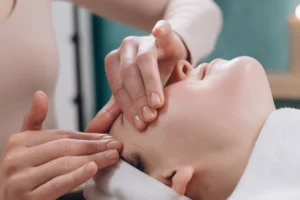
- Face peels. Using only pure enzymes, face peels can help brighten and hydrate the skin, which are particularly helpful for melasma and pigmentation. Just make sure to ask your skin clinic how their face peels work and if they’re safe for pregnancy.
- Microdermabrasion. This exfoliation treatment is one of the best ways to help reduce pigmentation, thanks to its role in shedding dead skin and encouraging the turnover of healthy cells. And that’s just among the many other skin benefits microdermabrasion has to offer. However, for pregnant women, we recommend scheduling your microdrmabrasion facial until after you’ve had the baby as it can be a bit abrasive on sensitive skin.
Looking for Pregnancy-Safe Facials in Christchurch?
Here at Lovoir Day Spa in Christchurch, our range of professional skin treatments include facials safe for pregnancy. If you’re curious to learn more, book a consultation with our licensed aestheticians, and we’ll recommend a suitable treatment to help treat your pigmentation or other skin conditions you may be experiencing during pregnancy.
Book a skin consultation
Browse our facial treatments
Visit our Beauty Salon & Day Spa at Lovoir The Crossing: