Our hair removal specialists answer the most frequently asked questions about Hair Removal — including the main methods, which ones are permanent, how long results last, safety, aftercare, and more.
What is hair removal?
Hair removal is any method that takes away unwanted facial or body hair, either by cutting it at the skin’s surface, pulling it from the root, or treating the follicle so less hair grows back.
From a professional beauty perspective, the method decides how long results last. DermNet NZ sorts the options into three types of hair removal methods:
- Temporary hair removal: shaving, creams, tweezing, sugaring, waxing and threading remove hair for days to weeks.
- Hair reduction: laser and IPL damage the follicle, so fewer and finer hairs grow back over a course of sessions.
- Permanent hair removal: electrolysis destroys each treated follicle, so it can no longer grow hair.
What are the different types of hair removal?
The main types of hair removal are shaving, hair removal creams, tweezing, epilators, sugaring, waxing, threading, laser hair reduction, IPL, electrolysis and prescription cream.
Hair removal methods include:
- Shaving: a razor cuts hair at the surface, quickly and painlessly.
- Hair removal creams: depilatory creams dissolve hair just below the surface.
- Tweezing: tweezers pull out one hair at a time.
- Epilators: an electric device with rotating tweezers pulls out many hairs at once.
- Sugaring: a sugar paste removes hair from the root, much like waxing.
- Waxing: warm or hot wax removes hair from the root on small or large areas.
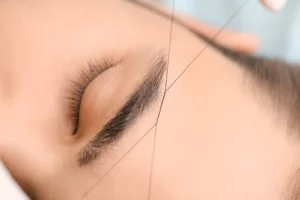
- Threading: a twisted cotton thread lifts rows of hair, giving clean lines on the face.
- Laser hair reduction: a laser targets the pigment in the hair to damage the follicle.
- IPL (intense pulsed light): broad-spectrum light works like laser, but usually needs more sessions.
- Electrolysis: a fine probe and electrical current destroy each follicle, one hair at a time.
- Prescription cream: a doctor-prescribed cream slows new facial hair growth.
For most people, the choice comes down to waxing vs laser hair removal: weeks of smooth skin now, or fewer hairs over time.
What is the difference between hair removal and hair reduction?
Hair removal takes hair away from the skin, while hair reduction means fewer hairs grow back over time.
Laser and IPL are reduction treatments. The FDA defines permanent hair reduction as a long-term, stable reduction in regrowth, measured 6, 9 and 12 months after a course of treatment ends.
| Hair removal | Hair reduction | |
| What it means | Hair is taken away, temporarily or permanently | Fewer, finer hairs grow back |
| Methods | Shaving, creams, waxing, threading, electrolysis | Laser and IPL |
| How long it lasts | Days to weeks, or permanent with electrolysis | Long term, with occasional maintenance |
That’s why laser is often called laser hair reduction rather than laser hair removal.
Is there a permanent hair removal?
Yes. Electrolysis is the hair removal method recognised for permanent removal, while laser gives permanent hair reduction.
Both need a full course of sessions, because hair grows in cycles. Some treated hairs regrow and need treating again, which is why our electrolysis FAQs describe results as permanent only once the course is complete.
Electrolysis is often called “the only FDA-approved permanent hair removal method”, but that’s a myth. Electrolysis devices are cleared for “permanent hair removal” and lasers for “permanent hair reduction”, and a 2022 study of the regulator’s records found the wording reflects the clearance process, not a difference in how well they work.
Does waxing remove hair permanently? No. Waxing can’t remove hair permanently because it leaves the follicle intact, although many people notice finer regrowth over time.
How long does hair removal last?
Hair removal lasts from a few days with shaving to permanently with electrolysis, once a full course is complete.
| Method | How long results last | How often you’d repeat it |
| Shaving | 1–3 days | Every 1–3 days |
| Hair removal creams | Up to about a week | About weekly |
| Threading | 2–6 weeks | Every 2–6 weeks |
| Waxing | 3–6 weeks | Every 3–6 weeks |
| Laser hair reduction | Long term, after a course | 6–12 sessions, 4–6 weeks apart, then maintenance every 1–3 years |
| Electrolysis | Permanent, after a course | Weekly or fortnightly sessions over 12–18 months |
Which hair removal method lasts the longest? Electrolysis, because it destroys the treated follicle so it can’t grow hair again.
Results also depend on your hair growth cycle, hormones, the area treated and how thick your hair is.
What is the best hair removal method?
The best hair removal method is the one that matches your goal, hair colour and skin: electrolysis for permanent results, laser for long-term reduction of dark hair, waxing for weeks of smooth skin, and threading for precise shaping.
Choose by goal:
- Permanent results: electrolysis removes treated hair for good, on any hair colour.
- Large areas of dark hair: laser hair reduction treats many hairs at once.
- Smooth skin with no commitment: waxing lasts 3–6 weeks, and our waxing FAQs cover what a session involves.
- Brows and the upper lip: threading gives clean, precise lines.
Because every skin journey is unique, a personalised consultation helps determine which hair removal method is the right fit for you.
Which hair removal method is best for sensitive skin?
Threading is usually the best hair removal method for sensitive skin, especially on the face, because it causes very little irritation. This includes acne-prone skin.
If your skin is sensitive:
- Patch-test hair removal creams on a small area 24 hours before using them.
- Tell your therapist before waxing, so the wax and technique can be adjusted.
- Consider laser if shaving or waxing often leaves you with razor bumps or irritation.
Does hair colour or skin tone affect hair removal?
Yes. Hair colour and skin tone affect laser hair removal, but not most other hair removal methods.
Laser targets the pigment in the hair, so it works best on darker hair and won’t work on blonde, grey, red or white hair. Electrolysis, waxing and threading work on any hair colour.
For skin tone, laser settings have to match your skin, so experience matters most for laser hair removal for dark skin. Darker skin tones also have a higher chance of temporary dark spots or keloids after electrolysis. So make sure to mention any history of pigmentation or keloids at your consultation.
Does hair removal hurt?
Most professional hair removal causes brief, mild discomfort rather than lasting pain, while shaving and creams are painless when used correctly.
What each method feels like:
- Waxing: a quick, sharp sting that eases with regular sessions.
- Threading: a light pinching sting, like tweezing.
- Laser hair reduction: a quick snap, like a rubber band against the skin.
- Electrolysis: a slight sting or tingle with each hair.
Which hair removal is the least painful? Shaving and creams, then laser, which most find gentler than waxing.
Is professional hair removal safe?
Yes. Professional hair removal is safe when a trained practitioner uses clean or single-use equipment and checks your skin first.
Safety depends on:
- Training and experience with your skin and hair type
- Hygiene, such as fresh wax applicators and sterile probes
- Laser settings matched to your skin tone
- Your full health history and medications
Risks rise when hygiene slips: unsterile probes, for example, can cause a skin or blood infection.
Who should avoid hair removal treatments?
Hair removal treatments may not be suitable if you:
- Take isotretinoin, or have taken it in the past 6 months (waxing)
- Use retinoids on the area to be treated (waxing)
- Have sunburn, a recent tan or broken skin on the area
- Have a skin infection or active skin condition where you want treatment
- Have a pacemaker (electrolysis)
- Form keloids or scar easily
- Are pregnant (laser and electrolysis)
Tell your hair removal specialist about any medications or health conditions, so they can recommend a safe method.
What are the side effects of hair removal?
The most common side effects of hair removal are mild redness, small bumps around the follicles and sensitivity, which usually settle within 24–48 hours.
Temporary side effects may include:
- Redness
- Small bumps around hair follicles
- Sensitivity or warmth
- Ingrown hairs as the hair regrows
Rarer risks, usually linked to poor technique, include burns, pigment changes, scarring and infection. If redness or swelling gets worse, contact your doctor.
Can you get hair removal while pregnant?
Yes, but only temporary hair removal. Waxing, shaving and hair removal creams are the usual options during pregnancy, while laser and electrolysis are postponed.
A review of cosmetic procedures in pregnancy advises against laser and electrolysis because of the lack of safety data, and recommends waxing, shaving and creams instead.
Pregnancy hormones can make skin more reactive, so patch-test creams and tell your therapist. To be safe, check with your doctor or midwife before booking.
How should you prepare for hair removal?
Hair removal preparation depends on the method, and your hair removal specialist will tell you exactly how to prepare for your treatment.
General tips:
- Arrive with clean skin and no lotion or makeup on the area.
- Avoid sun exposure and fake tan before your appointment.
- Tell your specialist about medications, skin conditions or pregnancy.
- Don’t wax or pluck between laser hair removal sessions, as the laser needs the root to target.
Should you shave before laser hair removal? Yes. Shave the area 12–24 hours before, so the laser reaches the root rather than hair above the skin.
What should you do after hair removal?
After hair removal, keep the area cool, clean and out of the sun for the first 24–48 hours.
First 24–48 hours:
- Avoid saunas, hot showers and hard exercise
- Stay out of the sun
- Wear loose clothing over the area
- Skip fragranced products
Ongoing care:
- Exfoliate gently after 48 hours to help prevent ingrown hairs
- Keep the skin moisturised
- Apply sunscreen daily on treated areas
Each method has its own steps, such as this aftercare for laser hair reduction.
Further Questions About Hair Removal
What’s the difference between waxing and laser hair removal?
Waxing removes hair from the root for 3–6 weeks, while laser hair removal damages the follicle so fewer hairs grow back over time.
| Waxing | Laser hair removal | |
| How it works | Pulls hair from the root | Light energy damages the follicle |
| How long it lasts | 3–6 weeks | Long term, after a course |
| Hair colour | Any colour | Works best on darker hair |
| Best for | Smooth skin now | Long-term reduction of dark hair |
Consider waxing if you want smooth skin now with no commitment, or laser if you’re ready for a course and want long-term results.
What’s the difference between laser hair removal and electrolysis?
Laser hair removal treats many hairs at once with light, while electrolysis treats one follicle at a time with a fine probe and an electrical current.
| Laser hair removal | Electrolysis | |
| Hairs per pulse | Many | One |
| Hair colour | Works best on darker hair | All colours, including blonde, grey, red and white |
| Typical course | 6–12 sessions, 4–6 weeks apart | Weekly or fortnightly over 12–18 months |
| Best for | Larger areas with darker hair | Small or precise areas and light hair |
Choosing between laser vs electrolysis comes down to your hair colour and the size of the area: laser for larger areas of dark hair, electrolysis for light hair and precise areas.
What’s the difference between threading and waxing?
Threading removes hair with a twisted cotton thread for precise lines, while waxing uses warm wax to remove hair from larger areas.
| Threading | Waxing | |
| Best areas | Brows, upper lip, chin and face | Face and body, including legs and bikini |
| Sensitive skin | Gentle, with little irritation | Can redden sensitive skin |
| How long it lasts | 2–6 weeks | 3–6 weeks |
Consider threading for shaping your brows and face, or waxing for larger areas.
For brows, eyebrow threading vs waxing comes down to precision and how sensitive your skin is.
Does hair grow back thicker after hair removal?
No. Shaving, waxing and threading don’t make hair grow back thicker or darker. Shaving doesn’t change hair thickness or colour, according to Mayo Clinic.
Shaved hair only looks thicker because it grows out with a blunt tip.
Does waxing damage hair follicles? Waxing doesn’t destroy hair follicles, although many people notice finer regrowth with regular waxing. Only laser and electrolysis are designed to damage the follicle.
Does hair removal cause ingrown hairs?
Ingrown hairs can happen after any hair removal method, most often after shaving, when a regrowing hair curls back into the skin.
Gentle exfoliation and loose clothing are the simplest ingrown hair removal tips, and laser can reduce ingrown hairs long term.
Can men get professional hair removal?
Yes. Men can have every professional hair removal method, from waxing and threading to laser and electrolysis.
Common areas include the back, chest, legs, brows, and nose and ears. Because hair removal for men often means larger areas of coarser hair, waxing and laser are the most popular choices.
What is the best hair removal for the bikini area?
Waxing is the most popular hair removal for the bikini area, from a bikini line wax to a full Brazilian, while laser gives long-term reduction of dark hair.
Both are popular options for Brazilian hair removal.
Can unwanted hair be a sign of a health condition?
Yes. Sudden or excess dark, coarse hair in places where hair doesn’t usually grow can be a sign of a hormonal condition, most often polycystic ovary syndrome (PCOS, now also called PMOS).
If you notice new or sudden hair growth, see your doctor first. Hair removal treats the hair, not the cause, but it can sit alongside medical treatment.
How much does hair removal cost?
Professional hair removal costs from about $25 for a small wax to $350 for laser on a large area, depending on the method.
Typical prices per session:
- Waxing: about $25–$35 for small areas such as brows, lip, underarms or nose, $42–$83 from a bikini wax to a Brazilian, $55 for a back or chest, and $46–$90 for arms and legs.
- Threading: about $32–$75, from a lip or chin thread to lip, chin and brows.
- Electrolysis: about $45–$95 per session, priced by session length.
- Laser hair reduction: about $40–$50 for the upper lip, chin or underarms, $70–$110 from a bikini to a Brazilian, and $150–$350 for arms, legs, back or chest. Booking a course lowers the cost per session.
View hair removal options and pricing.
Where can I get hair removal in Christchurch?
Considering hair removal in Christchurch? At Lovoir Beauty Salon & Day Spa, our hair removal specialists can assess your hair and skin and recommend the right method for you — from waxing and threading to laser hair reduction and electrolysis.
Book a consultation to get started.