Our licensed massage therapists answer the most frequently asked questions about Massages — including how it works, who it suits, safety, results, and cost.
What are the benefits of massage?
Massage therapy offers both physical and mental benefits.
Common benefits include:
- reduced stress and, in some studies, lower cortisol levels
- muscle relaxation
- improved circulation
- enhanced sleep quality
- immune system support
- relief from aches and tension
- improved posture and mobility
Massage stimulates blood flow, encourages oxygen and nutrient delivery to tissues, and helps release endorphins — your body’s natural “feel-good” hormones.
What types of massage are available?
Different massage styles serve different needs. Common types include:
Swedish massage
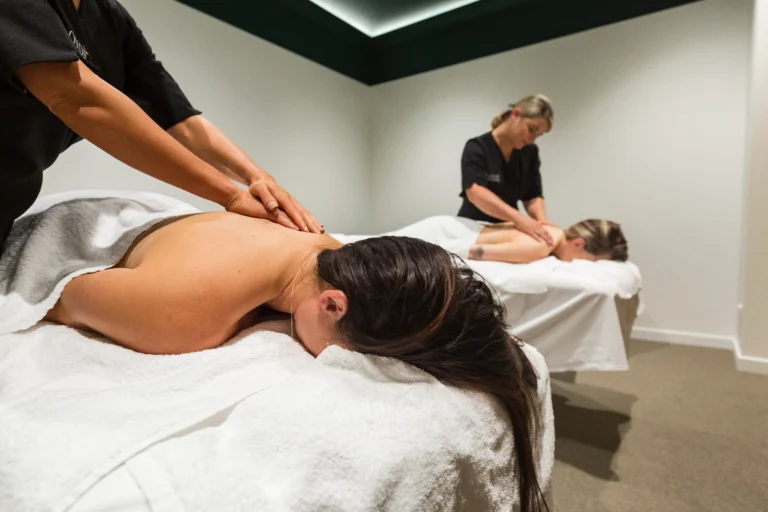
A classic, relaxation-focused massage using long gliding strokes, kneading, and gentle pressure.
Deep tissue massage
Stronger, more targeted pressure designed to address chronic muscle tension, injury recovery, or restricted movement.
Reflexology
A focused foot therapy applying pressure to specific points believed to correspond to other areas of the body.
Indian head massage
A treatment focusing on the scalp, neck, and shoulders using circular movements and pressure techniques.
Aromatherapy massage
Combines massage with essential oils to enhance relaxation, mood, and circulation.
These are just some of the most common massages offered in day spas and massage clinics. Other popular ones include hot stone massage, pregnancy or prenatal massage, lymphatic drainage massage, and massages popularized by other countries like Thai, Shiatsu, and Balinese massages.
If you’re unsure which one to get, your therapist can help determine which type best suits your needs. Learn more about the different types of massages here.
What is the difference between Swedish and deep tissue massage?
Swedish massage uses softer, flowing strokes and is primarily designed for relaxation.
Deep tissue massage applies stronger, more concentrated pressure to target deeper layers of muscle and connective tissue.
In simple terms:
- Swedish = relaxation and circulation
- Deep tissue = targeted tension relief and mobility support
What is an aromatherapy massage?
Aromatherapy massage combines traditional massage techniques with essential oils.
Essential oils are diluted into carrier oils and selected based on your goals — such as relaxation, energising, decongestion, or muscle relief.
The combination of touch therapy and aroma stimulates both the body and the nervous system, promoting relaxation and mood enhancement.
Read our complete guide on aromatherapy massages to learn more.
Does massage help with stress?
Yes.
Massage is associated with reduced stress and improved mood. Some studies report lower cortisol and higher serotonin and dopamine — though the evidence on cortisol specifically is mixed.
It also encourages physical relaxation, which can positively affect mental stress levels.
Does massage improve circulation?
Yes.
Massage stimulates blood flow, increasing oxygen and nutrient delivery to tissues. Improved circulation may support:
- muscle recovery
- injury healing
- energy levels
- overall cardiovascular health
Is massage good for pain relief?
Massage may help reduce muscle tension, inflammation, and stiffness.
Deep tissue massage in particular is often used to support:
- chronic neck or back pain
- sports injuries
- muscle spasms
- restricted mobility
However, severe or medical conditions should always be discussed with a healthcare professional before treatment.
Who is a good candidate for massage?
Massage may be suitable for individuals who:
- experience stress or tension
- have muscle tightness or soreness
- want to improve circulation
- struggle with sleep
- sit for long hours
- exercise regularly
Because every wellness journey is unique, a personalised consultation helps determine whether this treatment is the right fit for you.
Who should avoid massage?
Massage may not be recommended if you:
- are pregnant (without appropriate pregnancy massage guidance)
- are at risk of blood clots
- have recently had surgery
- have certain medical conditions
- have consumed alcohol
- have just eaten a heavy meal
Always inform your therapist of any health conditions before treatment.
What happens during a massage appointment?
Your therapist will:
- discuss your concerns and preferences
- customise pressure and technique
- focus on specific areas if requested
- ensure comfort throughout the session
Techniques vary depending on massage type, but may include gliding strokes, kneading, pressure work, or targeted muscle techniques.
Does massage hurt?
It depends on the type.
Swedish massage is generally gentle and relaxing.
Deep tissue massage may involve some discomfort while working through tight areas. Mild tenderness may occur afterward but should subside within a few days.
Communication during treatment is important to ensure appropriate pressure.
How many massage sessions are needed?
Many people feel benefits after one session.
For ongoing stress management or chronic tension, regular sessions may be recommended — such as weekly, fortnightly, or monthly depending on your needs.
Your massage therapist will recommend a treatment plan tailored to your body and goals. Start with a personalised consultation to help map out the safest and most effective schedule for you.treatment plan
When will you feel results from a massage?
Most people feel immediate relaxation after a session.
You may notice:
- reduced tension
- improved mobility
- better sleep
- lighter mood
For chronic issues, cumulative benefits may occur with regular sessions.
Is a massage safe?
Massage is generally safe when performed by trained professionals.
Safety depends on:
- proper screening
- clear communication
- appropriate technique
- medical awareness
If you have underlying health concerns, consultation before treatment is important.
What are the side effects of massage?
Most side effects are mild and temporary, such as:
- slight muscle tenderness
- mild fatigue
- temporary soreness (especially after deep tissue work)
Drinking water, stretching, and light movement may help reduce post-massage stiffness.
What are the aftercare instructions following a massage?
After your massage:
- drink water
- avoid intense exercise immediately
- avoid alcohol
- allow your body time to rest
- stretch gently if needed
These steps help maximise the benefits of treatment.
If you’d like a more comprehensive breakdown of how this treatment works — including detailed benefits, candidacy considerations, and treatment planning — you can read our complete guide to Massages.
Further Questions About Massage
How long does a massage session last?
Sessions typically range from 45–60 minutes, though longer treatments may be available depending on the type.
Can essential oils be added to any massage?
Yes.
Essential oils can be incorporated into Swedish, deep tissue, or other massage styles to enhance relaxation and therapeutic benefits.
Is massage good for sleep?
Yes.
Massage may stimulate relaxation responses and promote deeper sleep through stress reduction and nervous system calming.
Is massage safe during pregnancy?
Specialised pregnancy massage may be available, but consultation is required beforehand to ensure safety.
How much does a massage cost?
Pricing varies depending on massage type and duration.
View Massage options and pricing.
Where can I book a Massage in Christchurch?
Considering massage in Christchurch? At Lovoir Beauty Salon & Day Spa, our licensed massage therapists can assess your needs and tailor a plan to your goals. Book a consultation to get started.